
TikTok settles youth addiction lawsuit as trial against Meta and YouTube begins
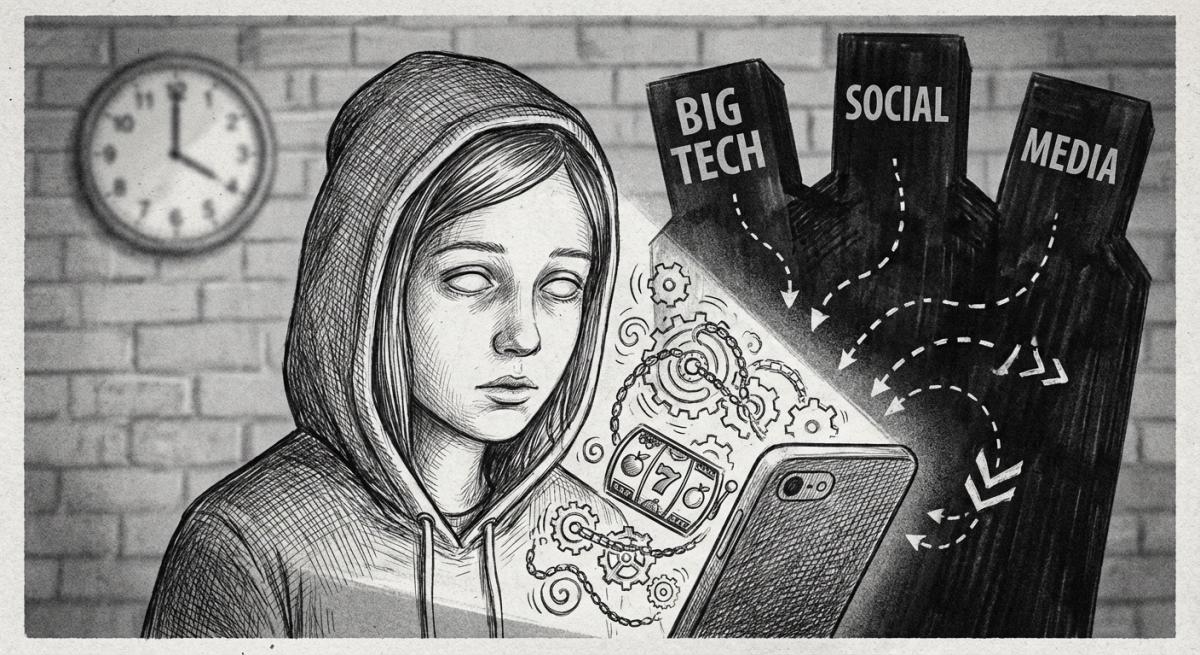
A landmark lawsuit accusing social media giants of deliberately designing addictive platforms that harm children’s mental health has taken a turn, with TikTok settling just as jury selection began in a California trial against Meta and YouTube. The case, brought by a 19-year-old woman who claims her depression and suicidal thoughts stem from childhood addiction to these apps, argues that companies borrowed tactics from casinos and Big Tobacco to maximize youth engagement—and profits. While TikTok and Snap have now settled, Meta and YouTube still face weeks of testimony, including from CEO Mark Zuckerberg, as similar cases loom worldwide.
The Playbook: How Social Media Borrowed from Casinos and Cigarettes
This isn’t just about kids spending too much time online. The lawsuit lays out a deliberate strategy: social media platforms are accused of using psychological manipulation—fine-tuned through A/B testing, infinite scroll, and dopamine-driven feedback loops—to hook young users the same way slot machines and cigarettes do. The comparison to Big Tobacco isn’t accidental. Plaintiffs argue that, like cigarette companies, these platforms:
- Designed for addiction, not engagement. Features like autoplay, “likes” as variable rewards, and algorithmic rabbit holes exploit developmental vulnerabilities in adolescent brains.
- Targeted minors aggressively, despite internal research (like Meta’s own leaked studies) showing harm. Former employees have testified that companies knew their products were damaging but prioritized growth over safety.
- Downplayed risks while lobbying against regulation, much like tobacco executives who insisted cigarettes weren’t addictive. Meta and Google have spent years funding “digital wellness” PR campaigns while fighting laws that would limit their access to young users.
The kicker? These companies aren’t just selling ads—they’re selling attention spans to the highest bidder. The more time a kid spends scrolling, the more data they generate, the more precisely they can be targeted. That’s not a bug; it’s the business model.
The “Safeguards” Are Mostly Theater
Meta, YouTube, and TikTok all point to parental controls, screen-time reminders, and “wellness” features as proof they’re acting responsibly. But let’s be real:
- Opt-in “guardrails” don’t work when the default setting is addiction. A pop-up asking, “Take a break?” after 60 minutes of scrolling is like a casino handing out pamphlets on gambling addiction while the slots keep spinning.
- Algorithms still prioritize outrage and extremes because that’s what keeps eyes glued to screens. YouTube’s recommendation system, for example, has been caught radicalizing users and pushing eating-disorder content to teens—despite its “safeguards.”
- The burden is on parents to navigate a rigged system. Julie Scelfo, founder of Mothers Against Media Addiction, nailed it: “It can be very confusing for parents who to trust.” That confusion is by design. Companies flood schools with “digital literacy” workshops (often led by their own employees) while fighting legislation that would actually limit their reach.
Meanwhile, countries are starting to act. France just voted to ban social media for kids under 15. Australia banned it for under-16s. The UK, Denmark, and others are considering similar moves. Why? Because the evidence is overwhelming: these platforms are rewiring a generation’s mental health for profit
“But It’s Not All Bad!” (Yes, We Know. That’s Not the Point.)
Of course social media connects people. Of course, it can be a lifeline for isolated teens, a tool for creativity, or a way to access information. The problem isn’t the technology itself—it’s that the most powerful versions of it are optimized for extraction, not empowerment.
Imagine if these platforms were designed with human development as the priority, not ad revenue. What if:
- Algorithms defaulted to calm, not chaos?
- “Engagement” metrics were replaced with well-being metrics?
- Companies were legally required to prove their products weren’t harmful before releasing them to kids?
That’s not anti-tech. That’s pro-human tech. Instead, we’ve let a handful of executives—backed by armies of lawyers and lobbyists—decide what’s best for billions of brains, including those still developing.
What’s at Stake—and What You Can Actually Do
This trial isn’t just about one teenager’s lawsuit. It’s about whether we’ll keep letting tech companies treat our kids like lab rats in a behavior-modification experiment.
If nothing changes:
- Mental health crises will keep rising. The CDC has already linked social media use to soaring rates of depression and suicide among teens.
- Democracies will keep fracturing. Algorithms that reward outrage don’t just harm individuals—they polarize societies.
- The next generation will inherit a world where their attention, emotions, and data are commodities—unless we push back.
So what can you do?
- For parents: Delay giving kids smartphones/social media as long as possible. Use third-party tools to lock down settings before handing over a device.
- For everyone: Treat social media like junk food—enjoy in moderation, but don’t pretend it’s healthy. Turn off notifications. Use apps in browser mode (not push-enabled). Unfollow accounts that trigger anxiety or rage.
- Demand structural change. Support laws that:
- Ban surveillance advertising for minors.
- Require default (not opt-in) protections for kids.
- Hold executives personally liable for harms their platforms cause.
This isn’t about rejecting technology. It’s about rejecting the idea that we’re powerless against it. The same tools that can connect us can also manipulate us. The choice isn’t between “tech” and “no tech”—it’s between tech that serves us and tech that exploits us.
Read the original article here if you want to learn more:
TikTok settles addiction lawsuit before trial against Meta, YouTube
Subscribe to our newsletter to get updates delivered to your inbox