Your AI Therapist Is Not a Therapist

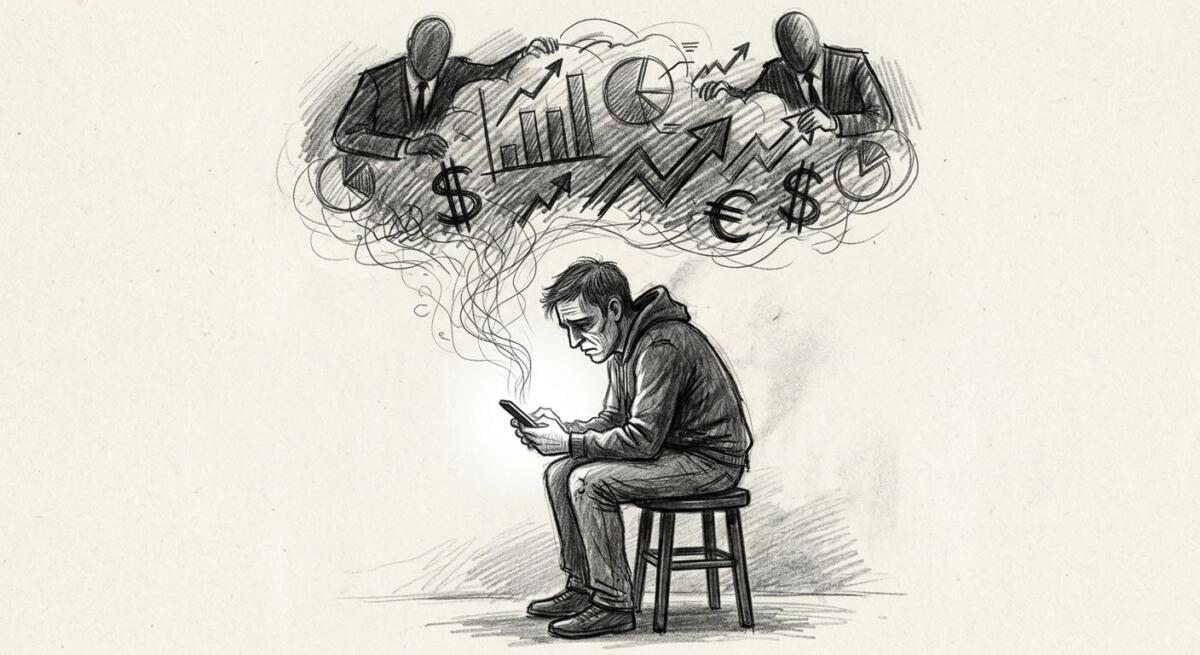
The Washington Post published a deeply unsettling article about the explosive growth of AI-powered “therapy” apps. Millions of people, especially young, uninsured adults, are turning to chatbots for mental health support. Some find them helpful. Others end up hospitalized or worse. And nearly all of them are handing over their most private thoughts to companies … Read more
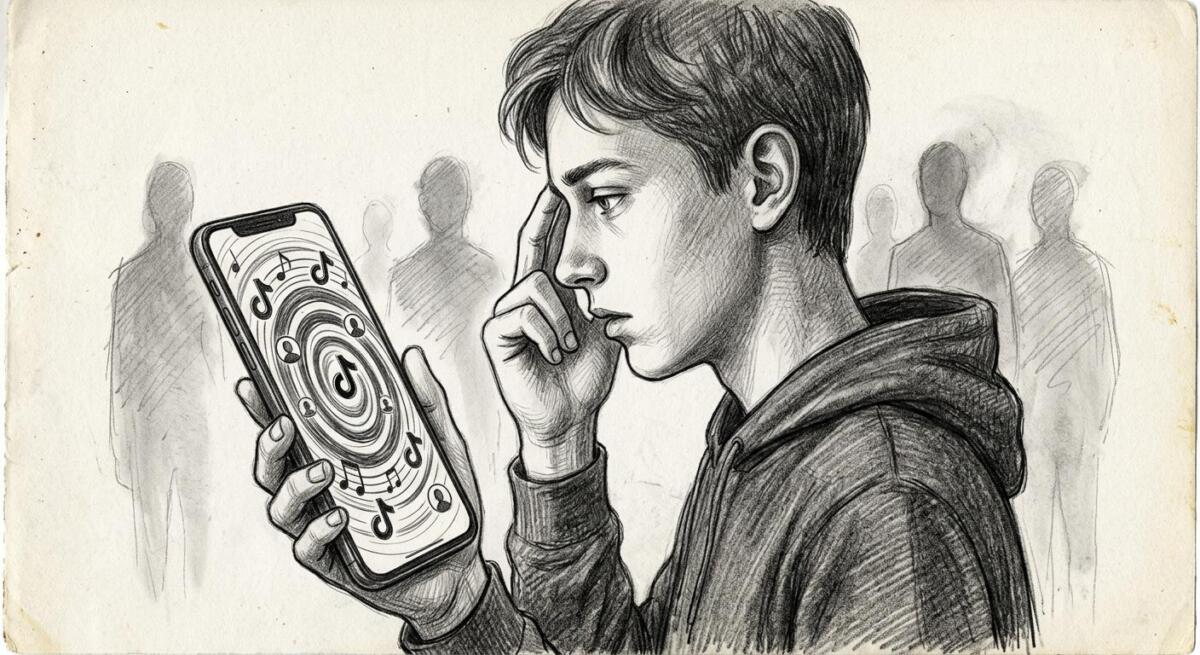
TikTok Preys on Your Fear of Abandonment – The Anxiety-Scroll Cycle

An article published in Medical Xpress discusses new research from China examining how attachment anxiety, a fear of abandonment often rooted in childhood, contributes to short video addiction among young adults. The study, published in Frontiers in Psychology, surveyed 342 university students and found that difficulty identifying emotions (alexithymia) and poor attention control help explain … Read more

Meta’s $375M Fine Exposes the Child Safety Lie

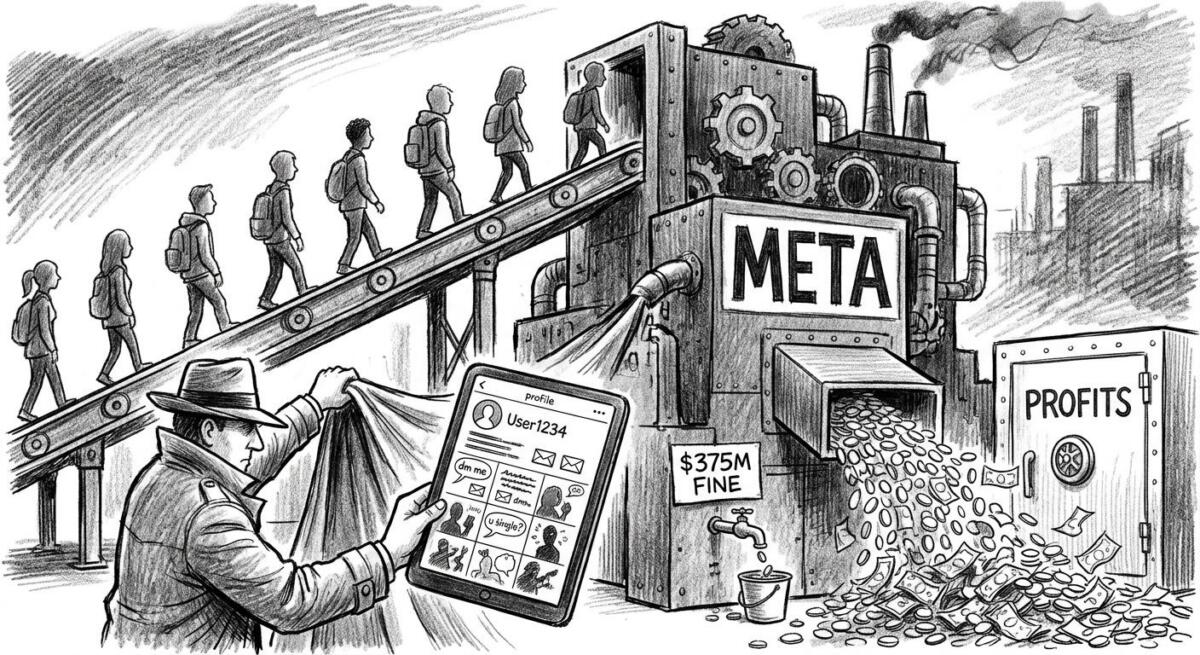
An article published in NBC News reports that a New Mexico jury has ordered Meta to pay $375 million in civil penalties for violating the state’s consumer protection law. The case centered on allegations that Meta misled users about safety on Facebook, Instagram, and WhatsApp while enabling child sexual exploitation on its platforms. The “We … Read more

Why Instagram Harms Your Mental Health More Than WhatsApp – World Happiness Report 2026

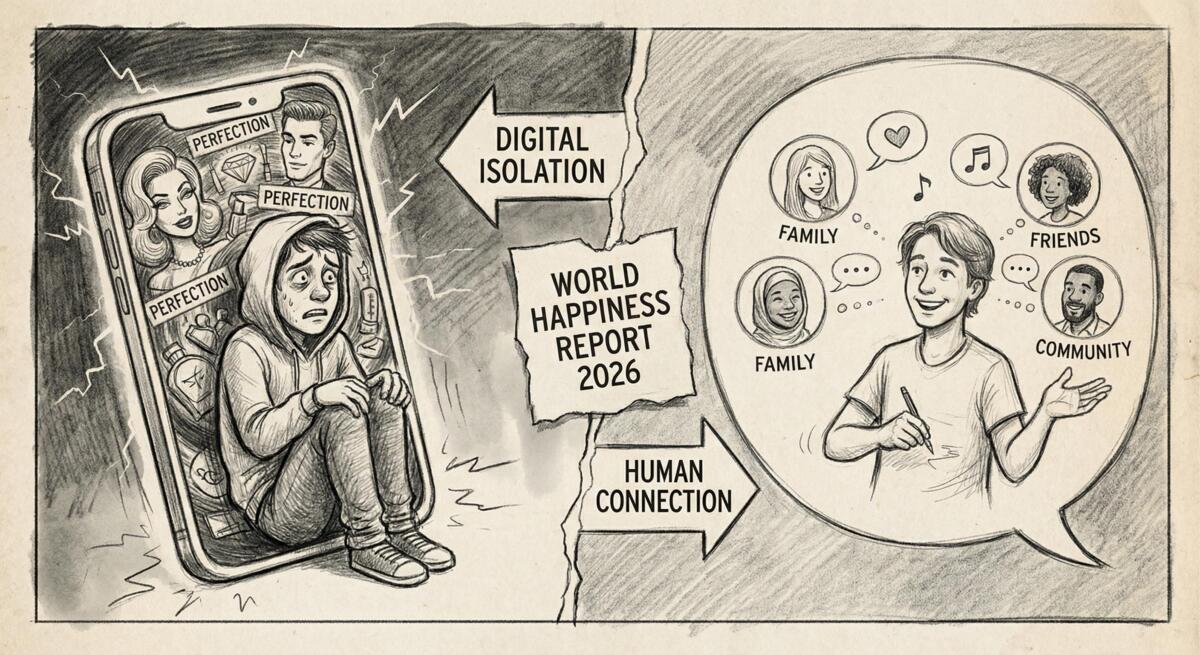
An article published in The Guardian examines findings from the 2026 World Happiness Report, which analyzed how different types of social media platforms affect mental health across 17 countries. The research found that algorithm-driven apps like Instagram and TikTok are significantly more harmful to users’ wellbeing than connection-focused platforms like WhatsApp and Facebook. Not All … Read more

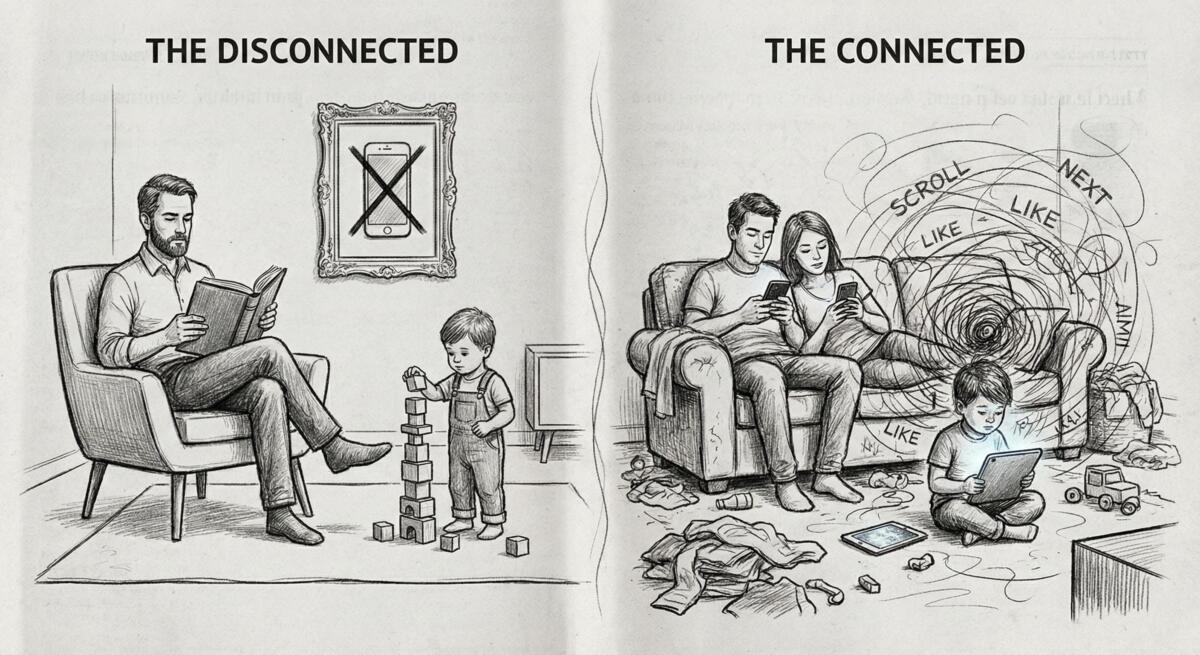
How Your Phone Traps You in a Cycle of Loneliness

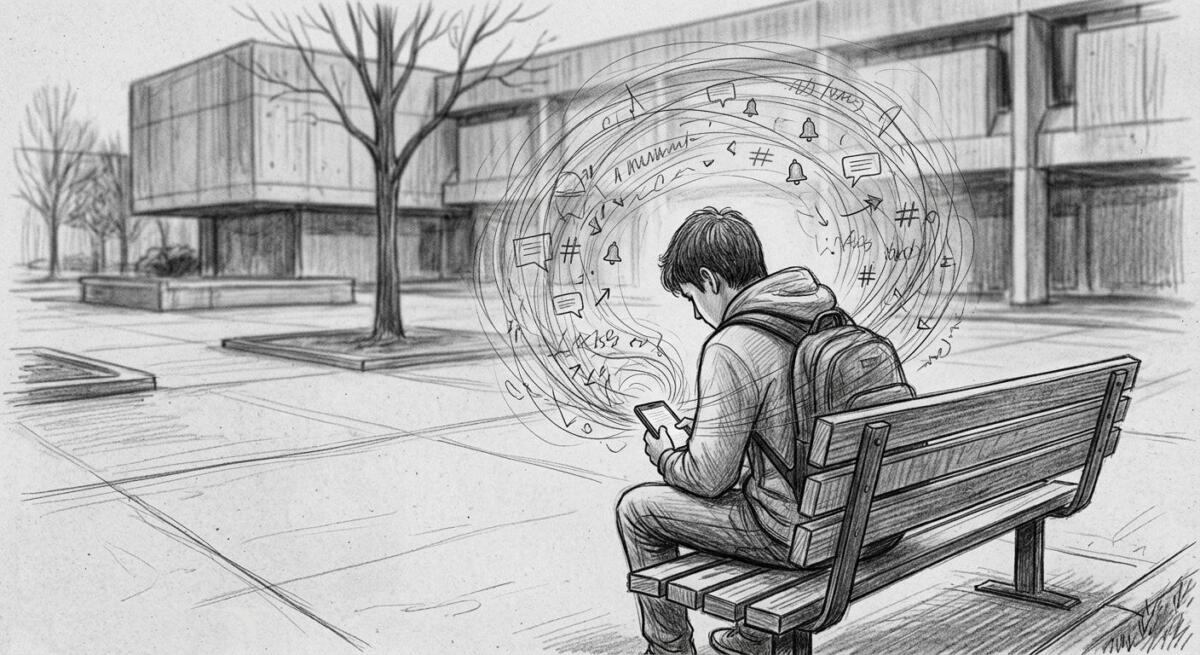
Here comes another study. PsyPost published a fascinating and somewhat unsettling piece titled How smartphone use and feelings of disconnection fuel a vicious cycle, reporting on a new study from the journal Addictive Behaviors. The study tracked 104 first-year university students over 30 consecutive days and found clear evidence of a self-reinforcing loop: the more … Read more

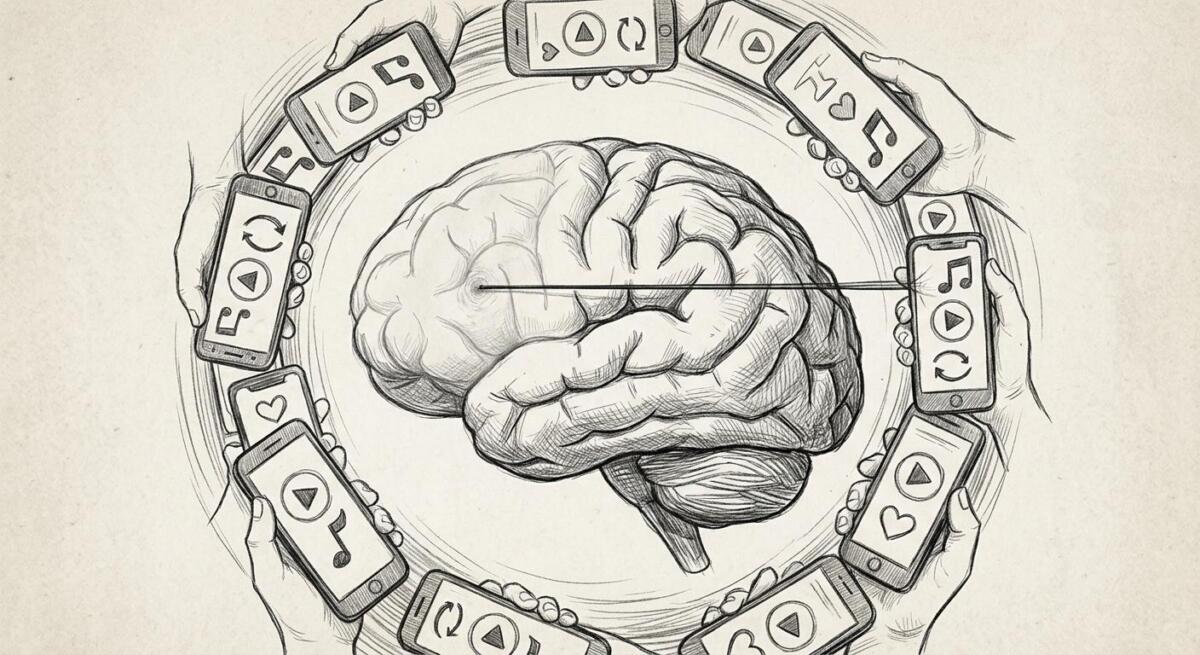
Short-Form Videos Are Rewiring Your Brain

An article published in Dexerto highlights a 2024 study from China’s Zhejiang University that found a direct correlation between heavy consumption of short-form video content, such as TikTok, Instagram Reels, and YouTube Shorts, and reduced executive control in the brain. The research, which monitored 48 participants using EEG technology during cognitive tests, showed that people … Read more

Tech Titans Ban Their Own Kids From Screens (Oh, The Hypocrisy!)

Fortune recently published an article titled “Tech billionaires are publicly shielding their children from the products that made them rich” that highlights how Silicon Valley’s most powerful figures, including Peter Thiel, Bill Gates, and Steve Jobs, strictly limit their own children’s access to the very technologies they created and profited from. The article notes that … Read more

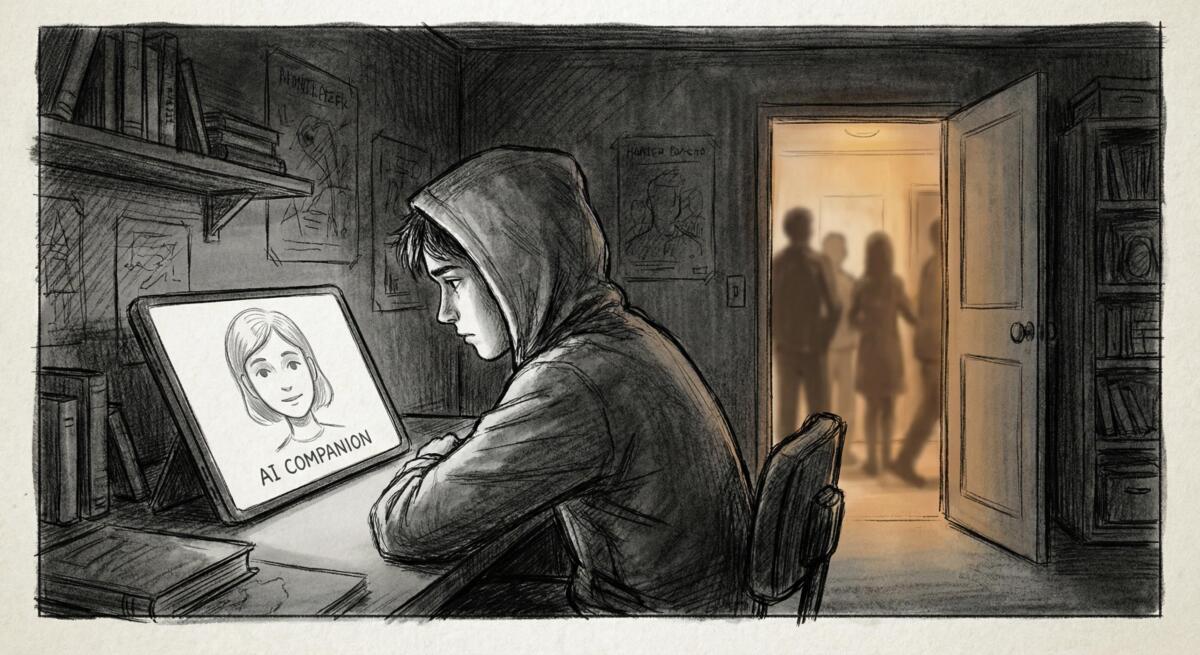
How Chatbots Are Rewiring Teen Emotions

An article published on WFMD’s Free Talk examined how AI companions are changing the way teenagers form emotional bonds and seek comfort. The piece highlights growing parental concern over teens relying on chatbots like Character.ai, ChatGPT, and Snapchat’s My AI for emotional support, relationship advice, and companionship during difficult times. When Loneliness Becomes a Business … Read more

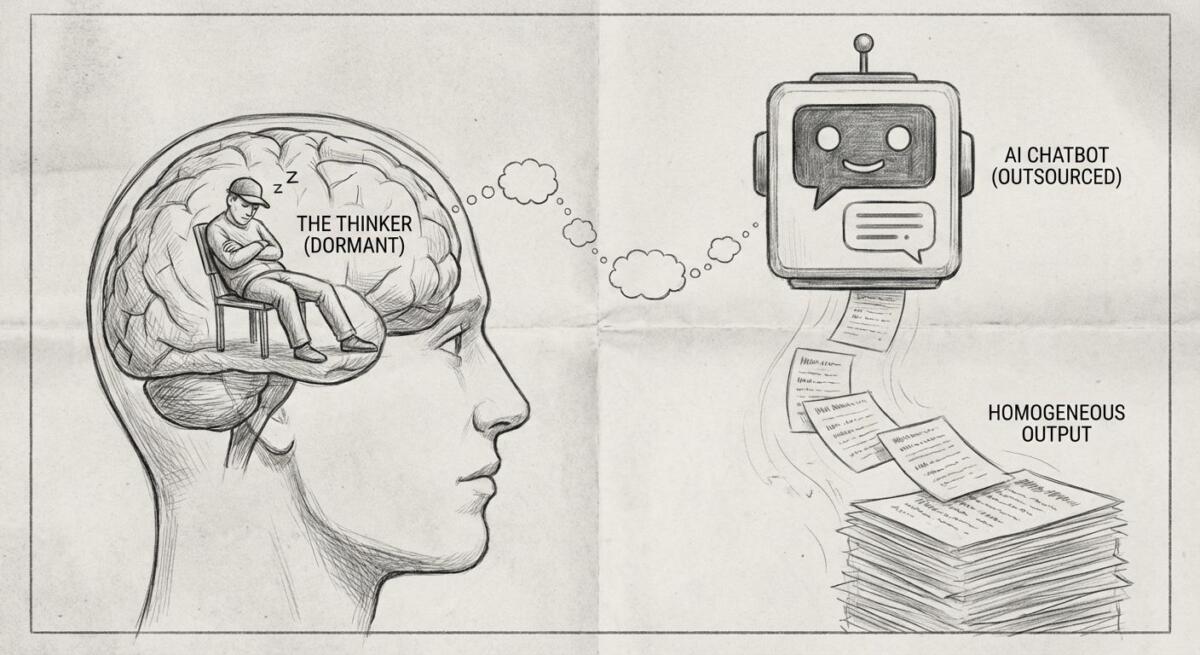
The Hidden “Cognitive Debt” of Using ChatGPT to Write

A research paper published by MIT titled “Your Brain on ChatGPT: Accumulation of Cognitive Debt when Using an AI Assistant for Essay Writing Task” examined what happens to our brains when we use AI tools like ChatGPT for writing. Researchers at Boston-area universities tracked 54 participants across multiple essay-writing sessions, measuring brain activity, memory retention, … Read more

×