
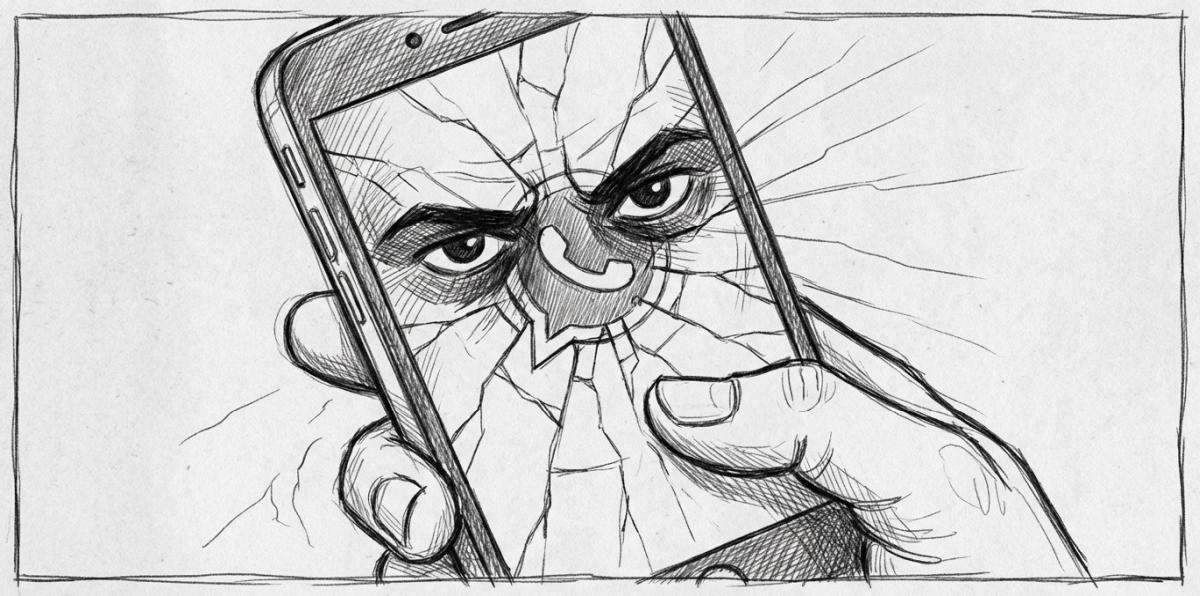
An article from The Guardian, titled “US authorities reportedly investigate claims that Meta can read encrypted WhatsApp messages”, reveals that US authorities are looking into allegations that Meta, the parent company of WhatsApp, may be able to access users’ encrypted messages. The report stems from a lawsuit claiming Meta can access “virtually all” private communications despite WhatsApp’s end-to-end encryption.
When Privacy Promises Crumble
This report, if true, throws a massive wrench into the trust we place in communication platforms. On the surface, end-to-end encryption is a beautiful thing. It means that when you send a message on WhatsApp, only you and the person you’re talking to should be able to read it. The tech itself is designed to be a shield, protecting our private conversations from prying eyes, including the company that owns the service. This is technology fulfilling its promise to connect us securely, enabling everything from sensitive business discussions to personal family chats without fear of interception.
However, the allegations suggest that this shield might be more porous than we think. The lawsuit claims Meta “can access virtually all” communications. Even though Meta vehemently denies this, calling it “categorically false and absurd,” the mere fact that such claims are being investigated and that a lawsuit has been filed leaves a bad taste in the mouth. It highlights a fundamental tension in the tech world: the immense power concentrated in the hands of a few mega-corporations versus the individual’s right to privacy. The incentive here is clear – Meta, like any for-profit company, aims to gather as much data as possible to understand its user base, potentially for targeted advertising or other strategic purposes. If they can access these messages, even through a loophole or a backdoor, it fundamentally corrupts the promise of secure communication.
The article also touches on the complexity of these claims. Experts quoted express skepticism, with one suggesting it would be “mathematical impossibility” for Meta to access the content of end-to-end encrypted chats. Another points out that if such a thing were happening, it’s highly unlikely it would remain a secret within a large company. This is where things get murky. We’re left to weigh the denials from a company with a known track record of data collection against claims from whistleblowers and a law firm involved in a related case against Meta. What’s concerning is how easily the debate can become about the credibility of whistleblowers or the legal strategies of law firms, rather than the core issue: can our private conversations be read by the platform provider?
Who Pays the Price?
The implications of this are far-reaching, even if, as some experts suggest, the claims are ultimately unsubstantiated. The very idea that our private messages might not be so private erodes trust. This isn’t just about exchanging memes; it’s about the confidence we have when sharing information in an increasingly digital world. If we can’t trust the privacy of our chats, where can we find trusted spaces for communication? This constant uncertainty can lead to self-censorship, heightened anxiety, and a general fragmentation of our ability to connect openly. The individuals who are most at risk are often those who rely on these platforms for safety and privacy in repressive environments, or for legitimate business and personal needs where confidentiality is paramount. The “profit motive” driving these companies prioritizes engagement and data over our peace of mind and security, and when that motive clashes with privacy promises, it’s ordinary users who bear the brunt of the fallout.
Reclaiming Our Digital Lives
It’s easy to feel overwhelmed by these stories, but understanding them is the first step.
The power behind these platforms doesn’t have to dictate how we communicate. For everyday people, this means being aware that the convenience of free services typically comes with a trade-off in privacy. It’s about developing a healthy skepticism towards the promises made by tech giants and actively seeking out communication methods that align with your privacy needs. Setting boundaries on what information you share and through which channels is crucial. We can’t afford to be passive consumers of technology; we need to be informed participants, demanding transparency and accountability.
Read the original article here if you want to learn more: https://www.theguardian.com/technology/2026/jan/31/us-authorities-reportedly-investigate-claims-that-meta-can-read-encrypted-whatsapp-messages
Subscribe to our newsletter to get updates delivered to your inbox