
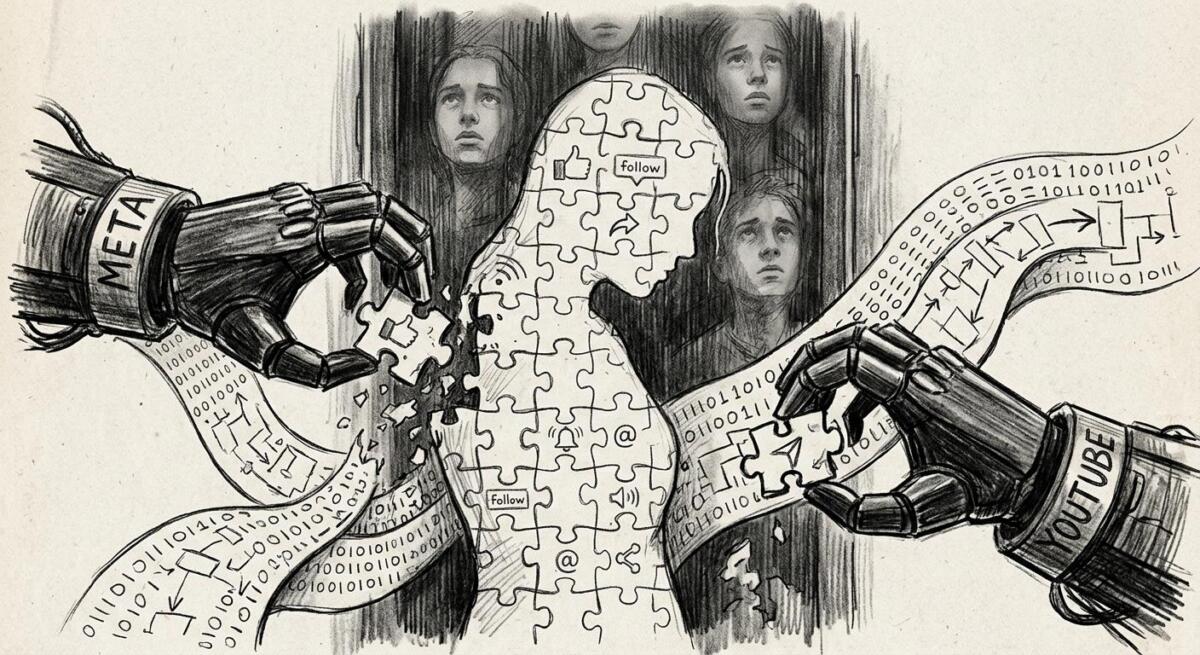
If you hate Meta as much as I do, it’s been a day filled with good news. A day after Meta was fined $375M for lying about Child Safety protections, a Los Angeles jury found Meta and YouTube liable for intentionally designing addictive platforms that harmed a young woman’s mental health. The woman, identified as Kaley, was awarded $6 million in damages after proving she became addicted to Instagram at age nine and YouTube at age six, leading to anxiety, depression, and body dysmorphia.
They Knew Exactly What They Were Doing
Meta and Google didn’t accidentally stumble into building platforms that hook kids. The jury found they acted with “malice, oppression, or fraud.” That’s legal speak for “yeah, they knew damn well what they were doing.”
Kaley’s lawyers presented internal research showing Meta knew children under 13 were using their platforms, despite Zuckerberg’s company policy claiming otherwise. When confronted with this evidence during his testimony, Zuckerberg said he “always wished” for faster progress in identifying underage users. Cool. And I’ve always wished my pizza would magically appear without me having to order it, but somehow that doesn’t absolve me of responsibility when I’m hungry.
The most infuriating moment? When Instagram’s head Adam Mosseri was told that Kaley once spent 16 hours straight on Instagram, he called it “problematic” but refused to call it addiction. If a kid spending 16 consecutive hours doing literally anything isn’t addiction, then words have lost all meaning. That’s two-thirds of a waking day. That’s more time than most adults spend at their jobs.
The Business Model Requires Damaged Kids
Meta’s growth strategy specifically targeted young users because (and this came out in testimony from former executives) they’re more likely to stick with platforms for longer periods. Translation: get them hooked early, and you’ve got a customer for life.
This isn’t some unfortunate side effect. It’s the entire point. Features like infinite scroll weren’t designed to “enhance user experience”, they were designed to prevent you from ever putting the phone down.
Every double-tap, every pull-to-refresh, every notification is carefully engineered to trigger the same dopamine response as a slot machine.
Kaley started obsessing about her appearance at age 10, using filters that made her nose smaller and eyes bigger. She developed body dysmorphia—a condition where you literally cannot see yourself accurately anymore. She stopped engaging with her family because Instagram was more compelling than actual human beings in her life. And Meta’s response? “Teen mental health is profoundly complex and cannot be linked to a single app.”
Right. And lung cancer is profoundly complex and cannot be linked to a single cigarette company.
This Is Just the Beginning
What makes this verdict so significant is the timing. It came literally one day after a New Mexico jury found Meta liable for endangering children and exposing them to sexual predators and explicit material, ordering the company to pay $375 million. Two massive verdicts in two days. That’s a pattern finally becoming impossible to ignore.
Countries are waking up to this mess. Australia has imposed restrictions on children’s social media use. The UK is piloting programs to see how a ban for under-16s might work. Public sentiment, as one analyst noted, has reached a “breaking point.”
But sadly, we’re all Kaley to some degree. Adults spend hours scrolling, comparing, doomscrolling, seeking validation through likes. The difference is we had somewhat functional brains before Instagram showed up. These kids never had a chance.
Social Media Companies Built Addiction Machines – The Jury Agrees
This verdict matters because it establishes something the tech companies have fought against for years: legal accountability for the harm their platforms cause. Not “we’re sorry, we’ll do better” accountability. Real “pay millions of dollars and admit malice” accountability.
If current trends continue unchecked, we’re looking at entire generations whose sense of self-worth is tied to algorithm-driven validation, whose attention spans are shredded, whose ability to form genuine human connections is compromised. We’re already seeing rising rates of anxiety, depression, and body image disorders among teens, problems that mysteriously correlate with smartphone adoption.
The promise of social media was connection. The reality is addiction by design. And now, finally, a jury has said what millions of people have been screaming for years: this isn’t an accident. It’s intentional. And it needs to stop.
Read the original article here if you want to learn more: Meta and YouTube found liable in social media addiction trial
Subscribe to our newsletter to get updates delivered to your inbox