
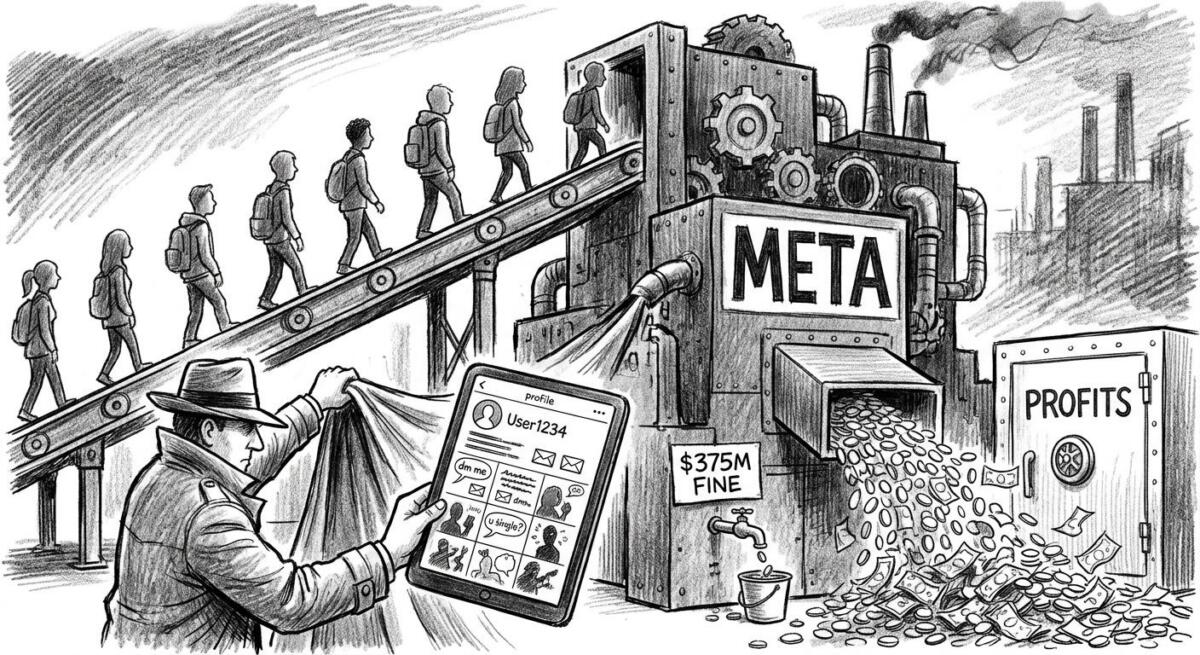
An article published in NBC News reports that a New Mexico jury has ordered Meta to pay $375 million in civil penalties for violating the state’s consumer protection law. The case centered on allegations that Meta misled users about safety on Facebook, Instagram, and WhatsApp while enabling child sexual exploitation on its platforms.
The “We Had No Idea” Defense Falls Flat
Meta’s response to this verdict is that they “respectfully disagree” and plan to appeal. Which is corporate speak for “we got caught, but we’re rich enough to keep fighting this in court until everyone gets tired.”
The New Mexico attorney general didn’t just file a lawsuit based on hunches. His office ran an undercover operation in 2023, creating accounts posing as children under 14. Those accounts were immediately flooded with sexually explicit material and contacted by adults seeking similar content.
Meta knew this was happening. Internal documents acknowledged problems with sexual exploitation. They just chose not to fix them because fixing them would require fundamental changes to how their platforms work. And those changes might reduce engagement. And reduced engagement means less ad revenue. So kids stayed at risk while the money printer kept going brrrr.
The Business Model Requires Looking Away
Meta’s entire defense strategy tells you everything you need to know about how modern tech companies think about harm. They argued they’re protected by Section 230 of the Communications Decency Act (which shields platforms from liability for user content) and the First Amendment. Essentially: “We can’t be held responsible for what happens on our platforms because we’re just hosting content, not creating it.”
But that’s bullshit, and everyone knows it. Meta doesn’t just passively host content, their algorithms actively decide what to show you, when to show it, and how to keep you scrolling. When an adult predator gets connected to a child’s account, that’s not random chance. That’s the algorithm doing exactly what it was designed to do: maximize engagement by connecting users with content they’re likely to interact with.
The state’s lawsuit specifically called out features like infinite scroll and auto-play videos, design choices deliberately made to keep people (including children) glued to their screens as long as possible. These aren’t accidents or unfortunate side effects are core to the business model.
The Pattern Is Always The Same
This case follows a familiar playbook we’ve seen from Big Tech again and again:
- Build addictive products designed to maximize time-on-platform
- Ignore warning signs about harm because addressing them costs money
- Get exposed by whistleblowers, investigations, or lawsuits
- Deny everything and claim you’re doing your best
- Fight accountability using armies of lawyers and constitutional arguments
- Pay fines that sound huge but represent a tiny fraction of annual revenue
- Change nothing fundamental and go back to business as usual
Meta generated over $150 billion in revenue last year. A $375 million penalty is pocket change (about 0.25% of annual revenue). That’s like someone making $50,000 a year getting fined $125. It stings for a second, then you move on.
And Meta will move on. They’ll appeal. They’ll fight. They’ll eventually settle for even less. Meanwhile, the platforms will continue operating exactly as they did before because the incentives haven’t changed.
Why This Actually Matters
Here’s what gets lost in the legal jargon and corporate statements, real children were harmed. The undercover operation documented adults contacting fake child accounts seeking sexual content. That means real predators were doing the same thing to real kids, and Meta’s platforms were making it easy.
Parents are told these platforms are safe for their children. Instagram has a minimum age requirement of 13. Facebook and WhatsApp claim to have safety features.
The mental health piece is equally important. Infinite scroll, auto-play videos, algorithmically curated feeds designed to trigger emotional responses, these features don’t just keep kids engaged, they’re actively harmful. Study after study links heavy social media use to depression, anxiety, body image issues, and self-harm, particularly among teenage girls. Meta’s own internal research confirmed this back in 2021, and they buried it.
The Lie Big Tech Sells Us
Look, I get it. You’re probably reading this on your phone, maybe with Instagram or Facebook installed. Deleting these apps entirely isn’t realistic for most people, they’ve woven themselves into the social fabric so deeply that opting out means missing events, losing touch with friends, becoming socially invisible.
The verdict in New Mexico is a good start, but it’s not enough. Meta will pay the fine and keep doing what they’re doing because the current system rewards them for it. Real change requires either massive public pressure or government action that fundamentally alters the incentive structure.
Until then, every parent needs to understand: when Meta says their platforms are safe for children, they’re lying. They’ve always been lying. And this $375 million verdict just proved it in court.
Read the original article here if you want to learn more: Meta ordered to pay $375 million in New Mexico trial over child exploitation, user safety claims
Subscribe to our newsletter to get updates delivered to your inbox